
About. Our Instructors. Schedule Kendo Iaido Jodo Naginata Yagyu Shinkage-Ryu Dojo Etiquette Join Q&A Press Affiliations Contact

What is Naginata?
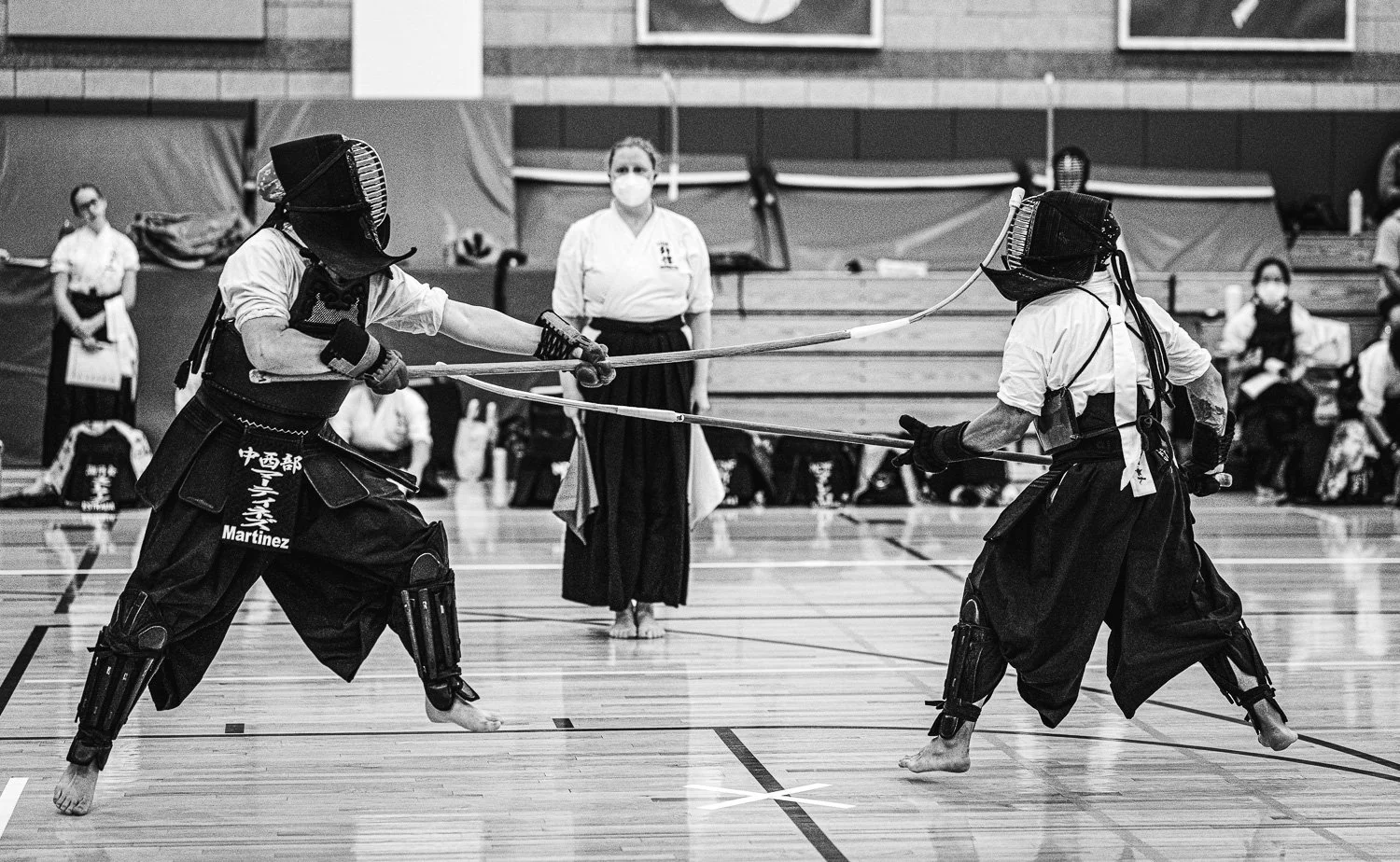
Naginata is a Japanese martial art built around the long pole weapon with a curved blade (the naginata). It began as a battlefield weapon used by samurai and warrior monks and, over centuries, evolved into both a refined martial tradition and in modern times, a competitive, educational practice.
From battlefield to the school gym
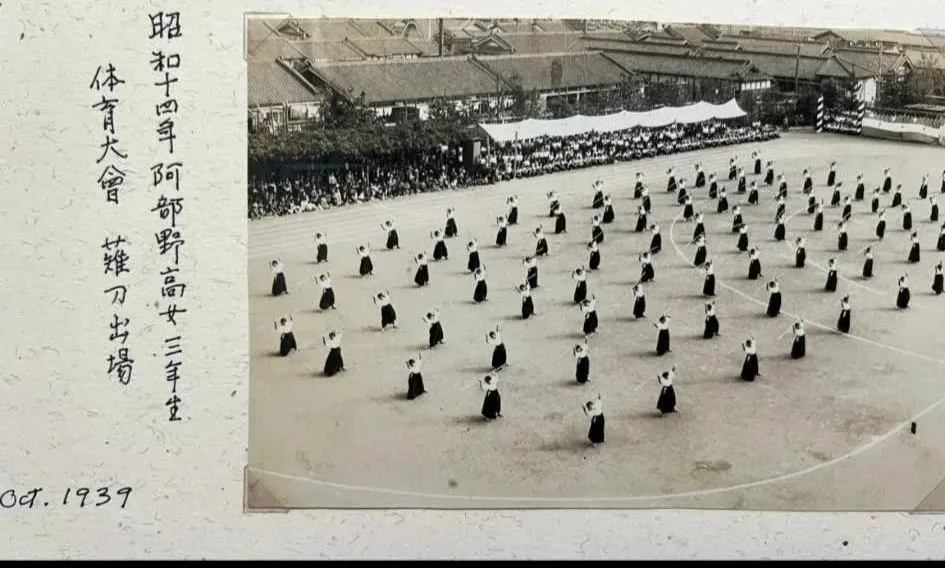
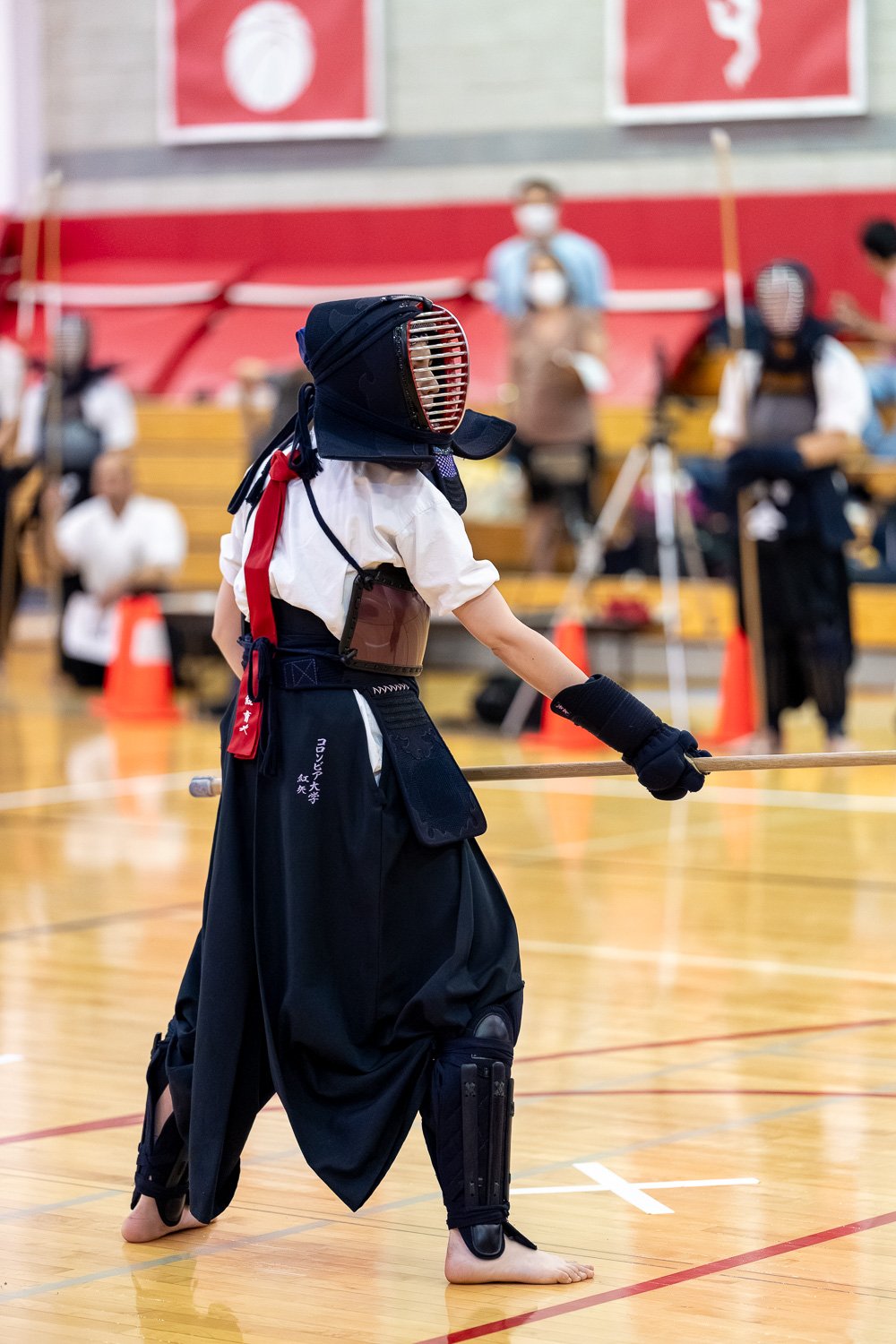
Historically the naginata served a battlefield role through the Heian–Sengoku periods (710-1615 AD). By the modern era it became closely associated with women’s martial training in schools and teacher-training programs; in the early 20th century naginata was widely taught in girls’ schools as part of physical education. Academic studies emphasize how naginata’s role in schools shaped cultural ideas about gender and physical education in Japan.

Post-war revival and the “Atarashii Naginata” movement
After World War II, enthusiasts and educators worked to revive and modernize naginata. The All Japan Naginata Federation (AJNF) formed the organizational and technical foundations for the modern discipline, standardizing kata, rules, and teaching methods that became known as Atarashii Naginata (あたらしいなぎなた “new/modern naginata”). This effort adapted traditional techniques into a safe, systematic curriculum suitable for sport, school programs, and international competition.
International growth and competition
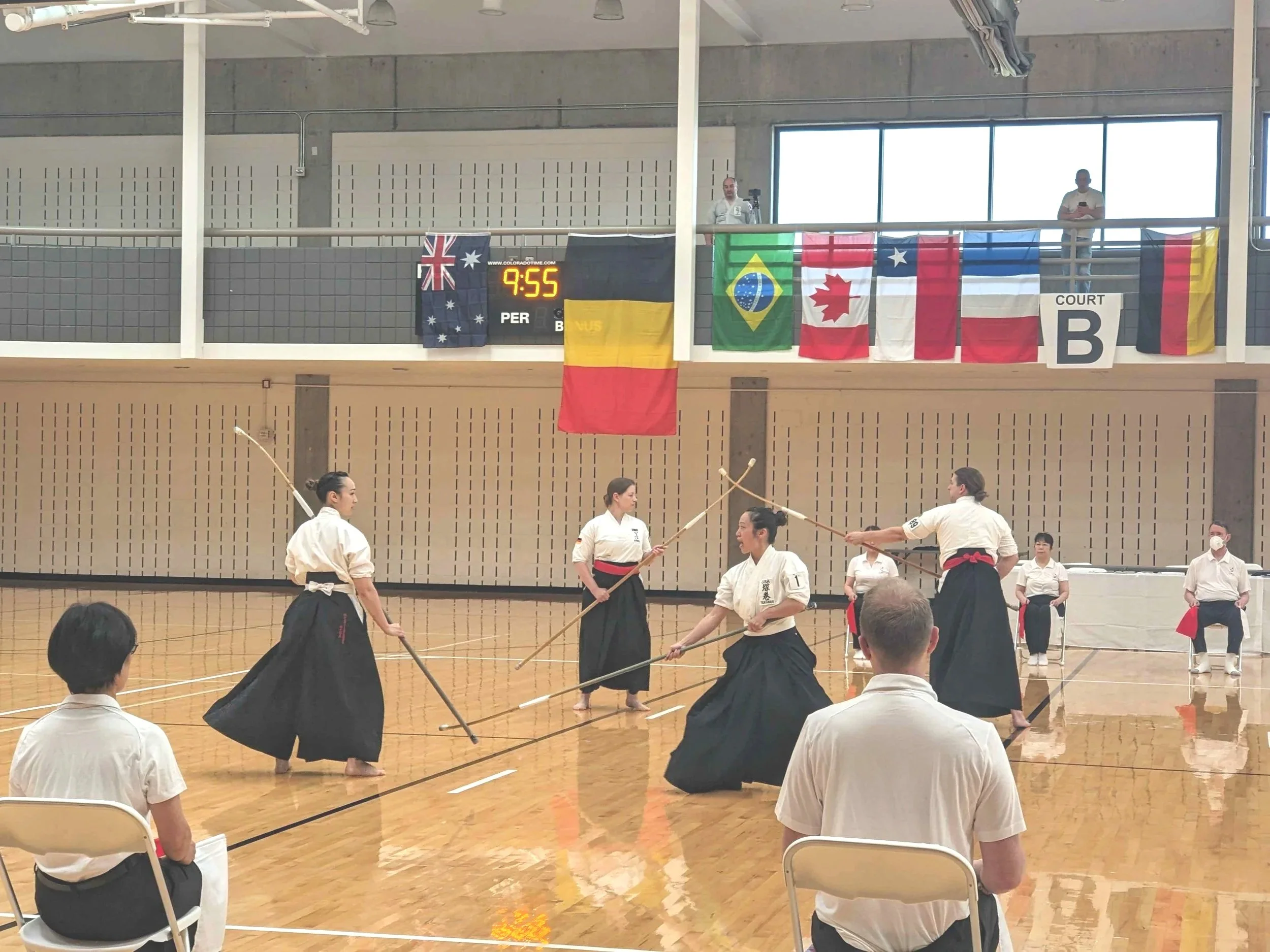
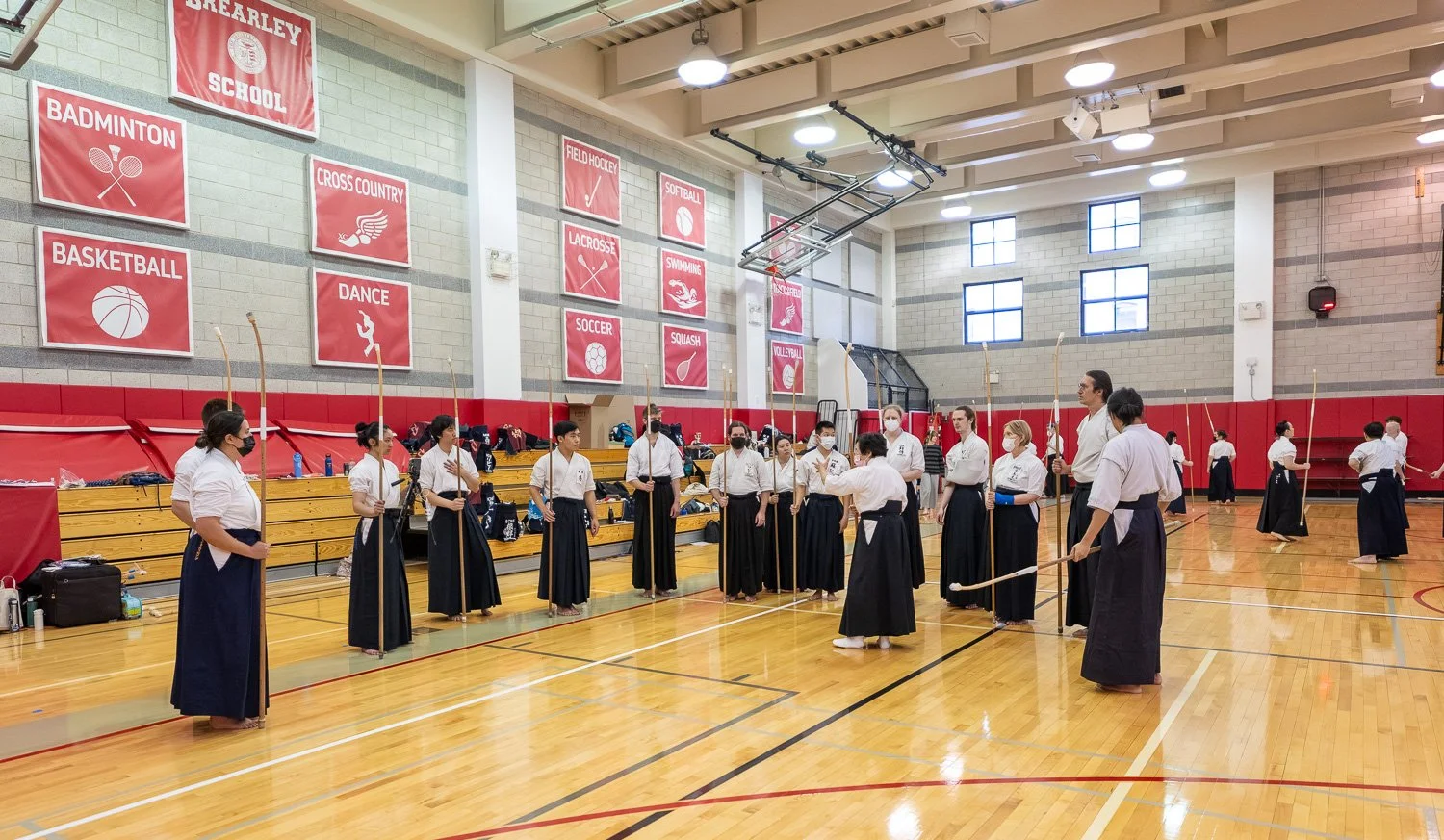
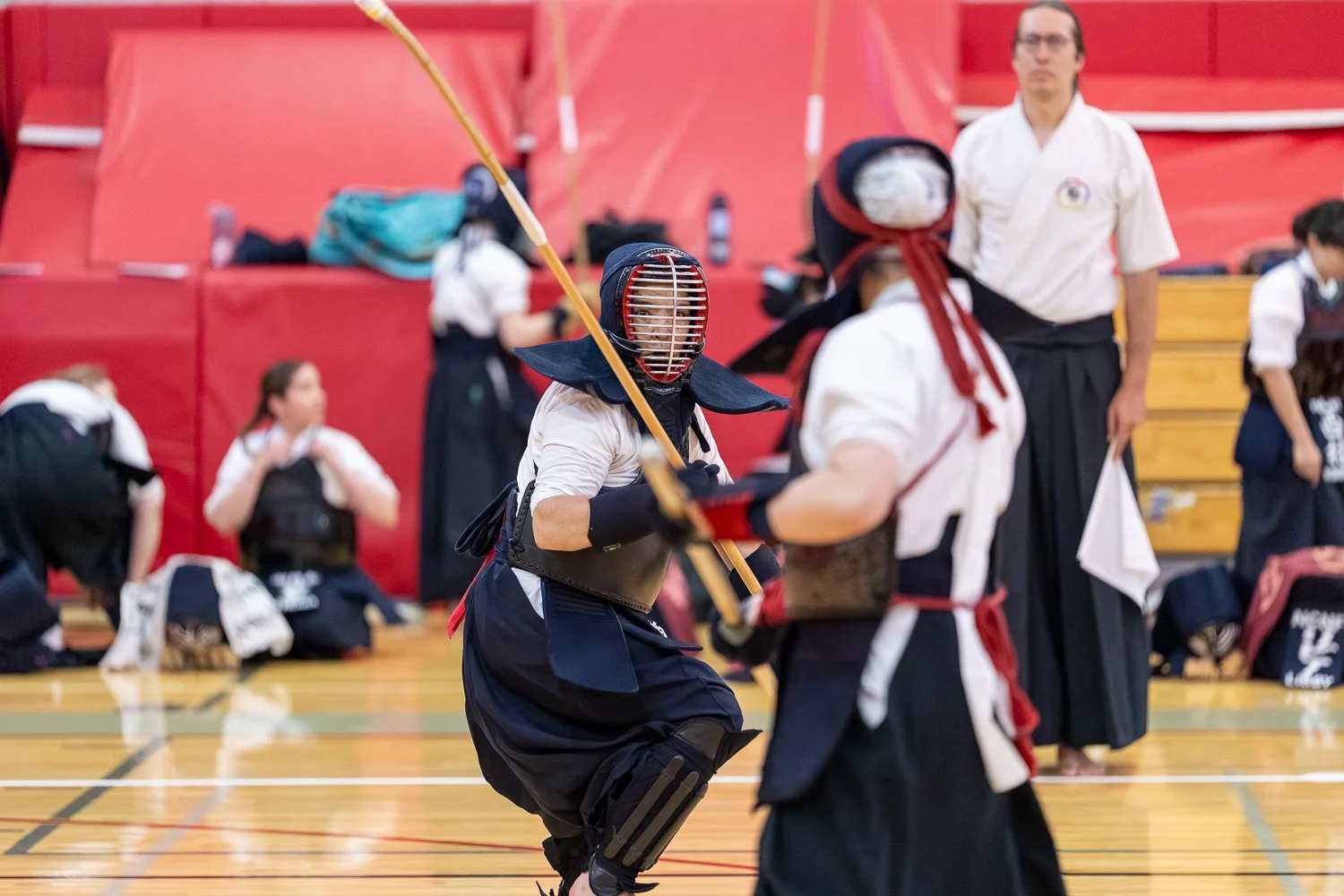
Atarashii Naginata now has two main components; kata (prearranged forms) and shiai (sport competition). The International Naginata Federation (INF), founded in 1990, coordinates international rules, seminars, and world championships, helping spread practice beyond Japan to Europe, the Americas, Oceania, and elsewhere.
Practice and values today
Modern practice develops technique (kihon), paired and solo kata (shikake-ooji and advanced forms), and shiai strategy. Beyond technique, naginata emphasizes zanshin (awareness), etiquette (rei), and character building; values shared across Japanese budō. Many clubs today combine traditional lineage study with school and sport programming, making naginata both a cultural art and a living athletic discipline.
Practice and Philosophy
-
Kihon & Kata
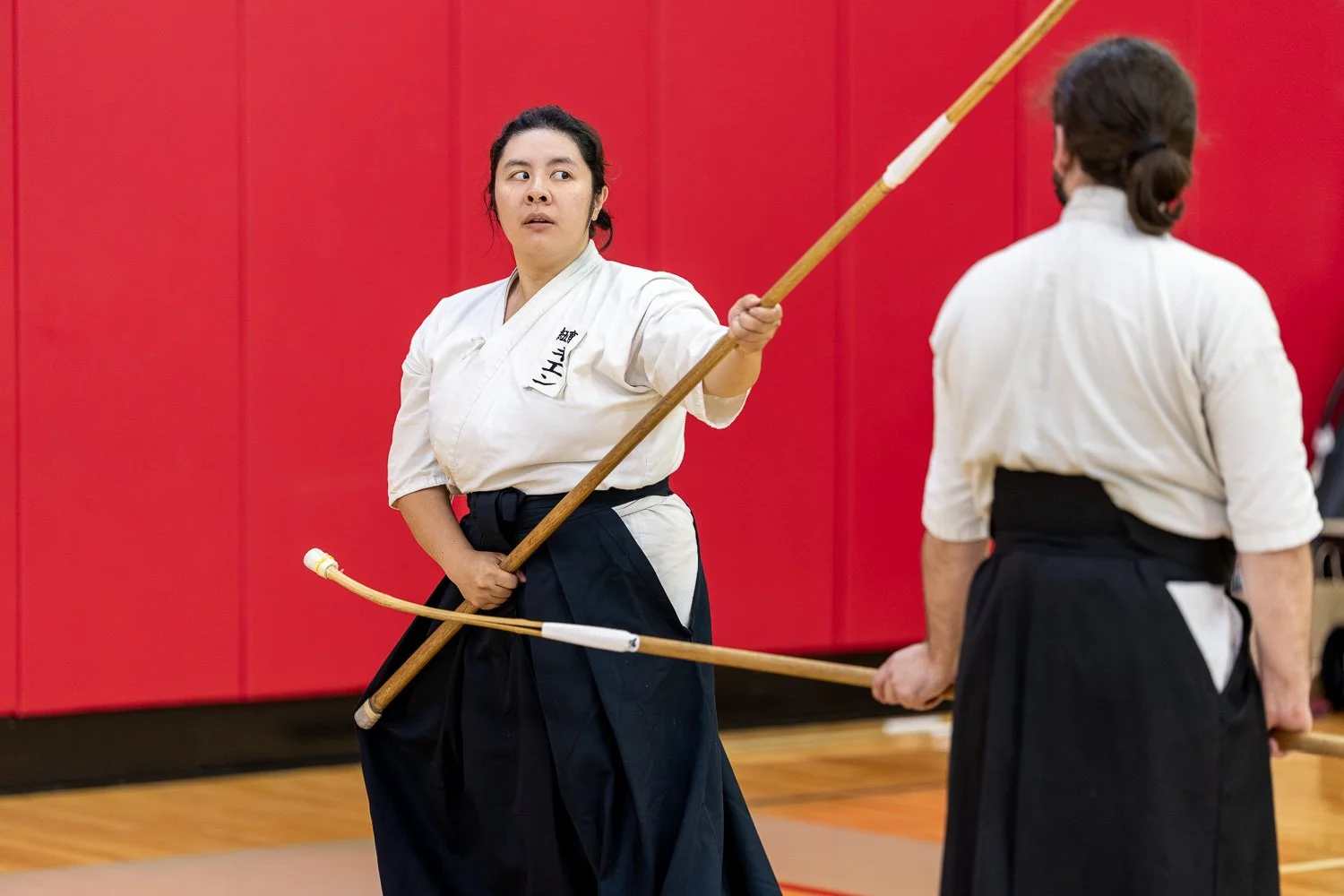
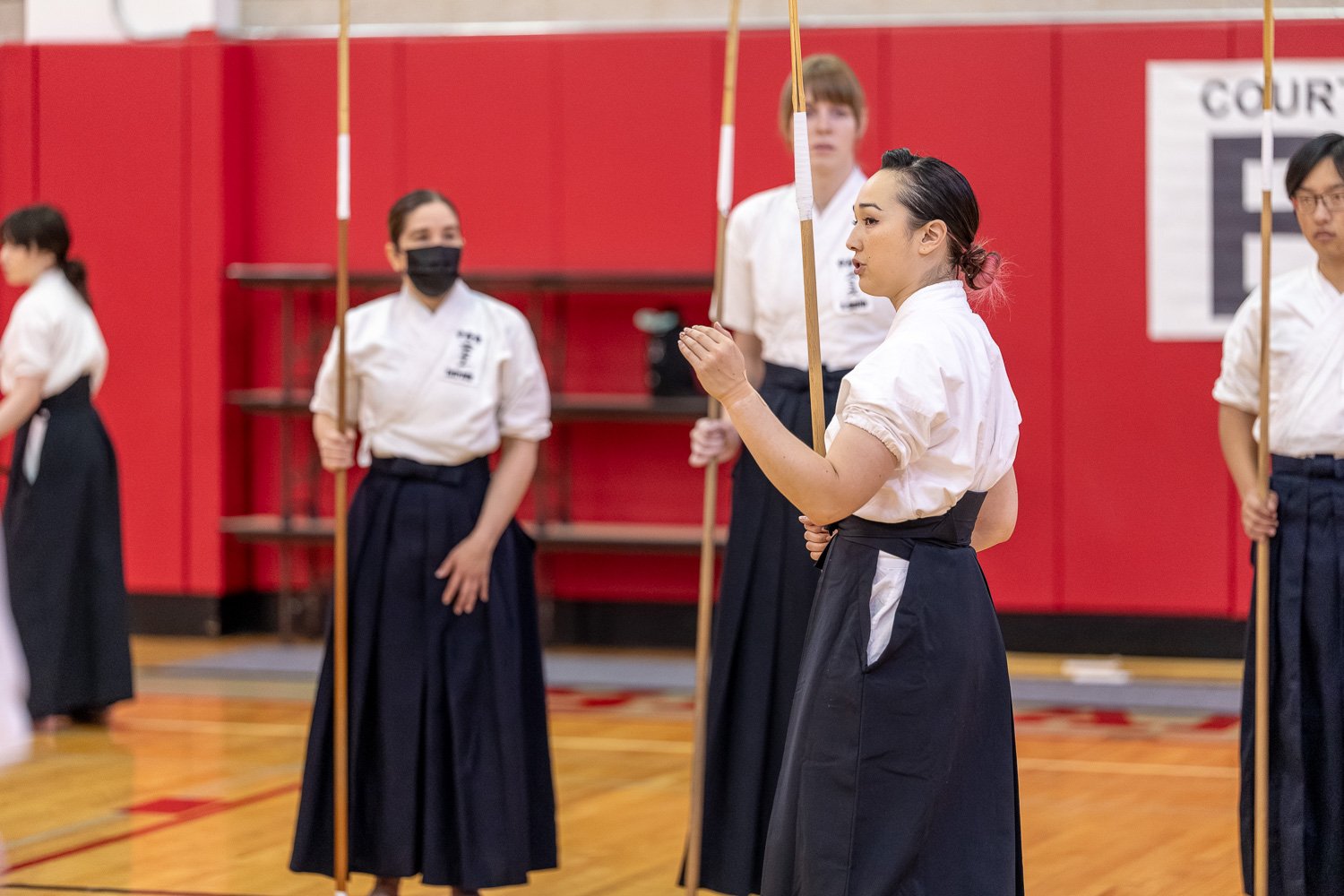
Pre-arranged pairs (Shikake-Ooji) and advanced forms (Zen Nihon no Kata) that develop technique, timing, and partnership
-
Shiai
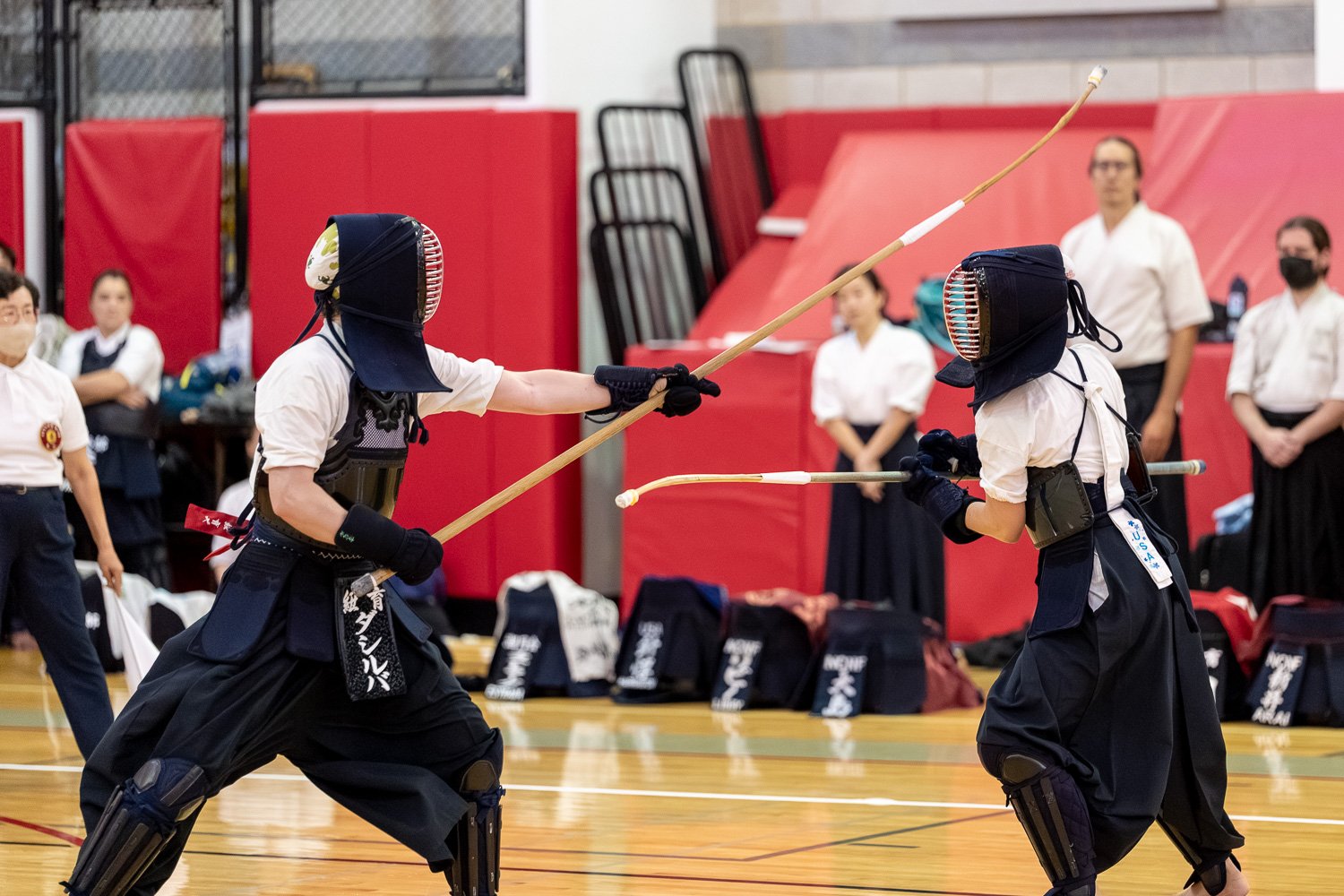
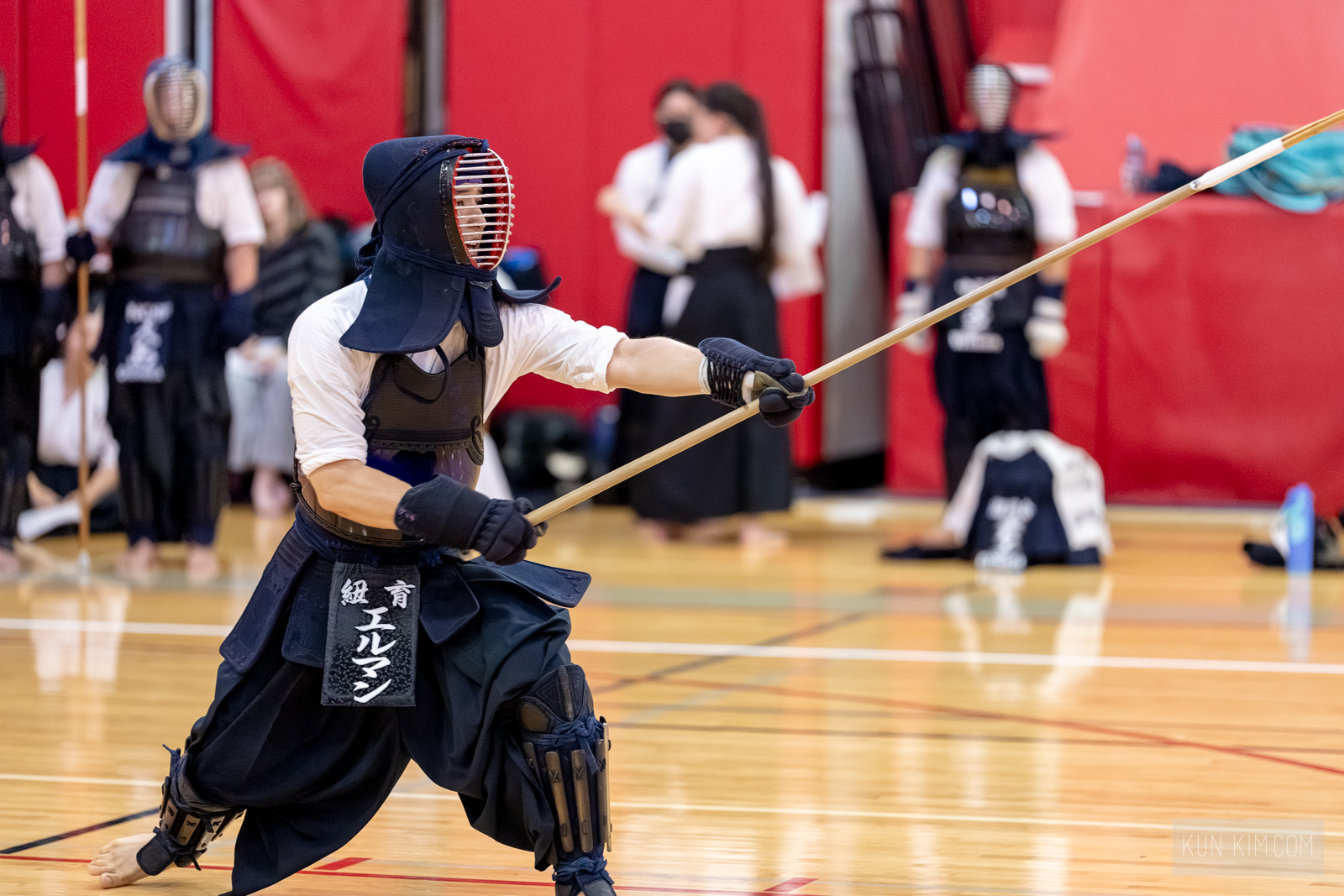
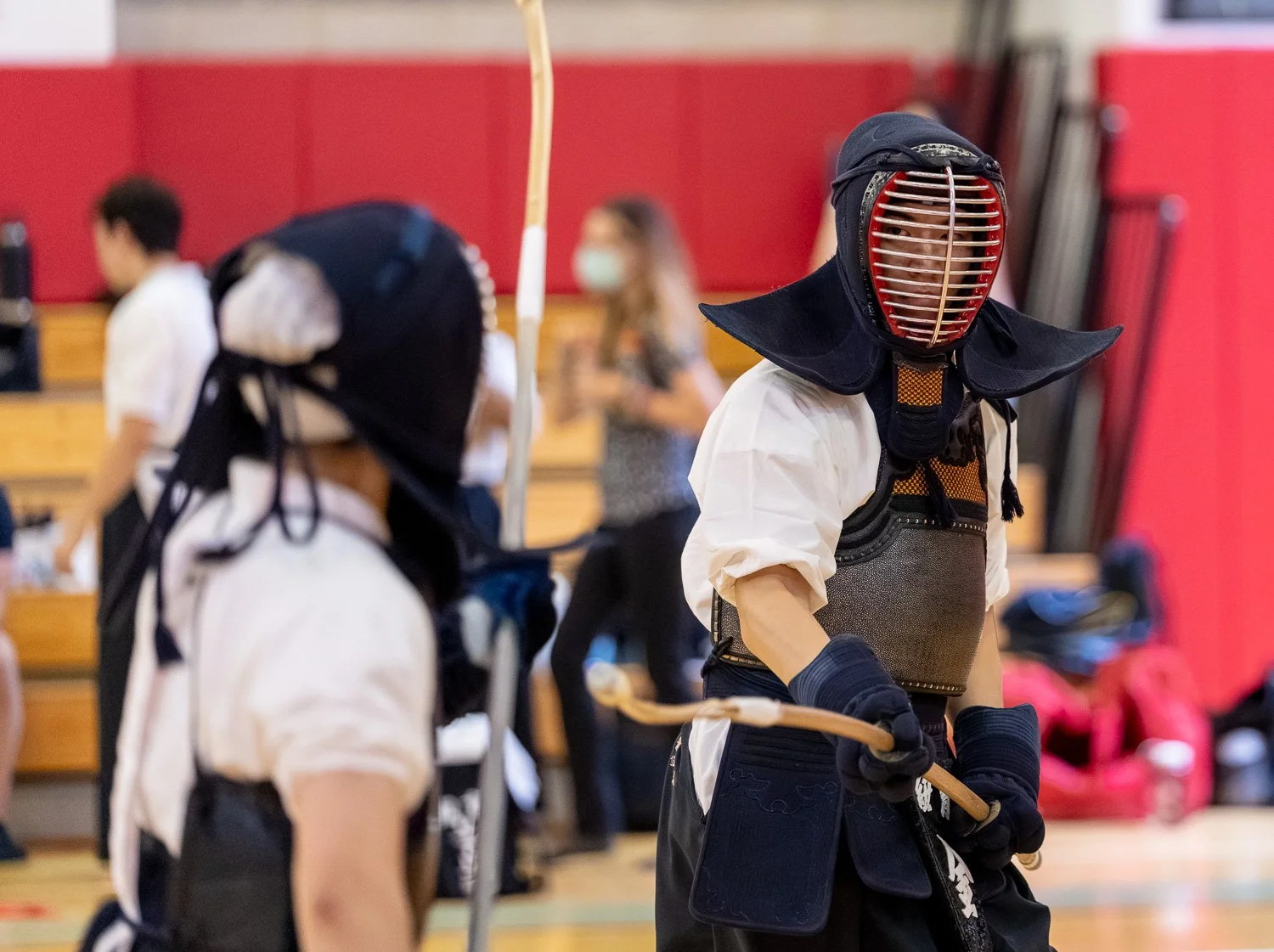
Competitive matches using lightweight bamboo naginata and armor similar to kendo, with added shin protection
-
Key Values
Emphasis on character development, balance, physical fitness, and lifelong practice reflecting respect for tradition and modern athleticism.

-
Renshi
Naginata Chief InstructorKatie Roche is one of the most accomplished and influential figures in American naginata, a record-breaking seven-time U.S. Women’s National Champion whose competitive career helped define the modern standard of naginata in the United States.
She has represented the United States at multiple World Naginata Championships, most recently in 2024 (Boulder, Colorado), where she earned silver medals in Women’s Team Shiai and Zen Nihon no Kata, and a bronze medal in Engi-Kyogi.
Roche Sensei is among a select group of U.S. practitioners to hold the title of Renshi (錬士), awarded in recognition of both advanced technical proficiency and significant contributions to the development of the art. She is currently the youngest outside Japan to receive this distinction and is currently the highest-ranking practitioner on the East Coast.
Beyond competition, Roche has played a pioneering role in expanding access to naginata. She was the first to introduce naginata into school physical education curricula outside of Japan, establishing programs that brought the art into academic institutions and broadened participation among younger generations.
She has also founded and mentored multiple university naginata programs, including at Columbia University, Mount Holyoke College, and Pratt Institute, and has guided students from beginner level through national and international competition.
Roche currently serves as President of the Greater New York Naginata Federation and was invited to contribute to the United States Naginata Federation’s Technical Committee. Through her teaching at Ken-Zen, she continues to develop the next generation of practitioners while supporting the ongoing growth and evolution of naginata in the United States.
-
3-dan
Naginata Assistant InstructorEdward Kim is a 3-dan who has been practicing naginata for over 7 years. He began practicing naginata in 2007 under GNY’s founder, Yamauchi Sensei, and took a hiatus from training until 2021. Upon his return, he began as assistant coach to the Columbia Naginata Club and has continued coaching there ever since. In 2024, Edward began leading his own dojo in partnership with the New York Budo Association, which has since expanded to include two locations. Upon attaining 3-dan in 2025, he became an assistant instructor in the Ken Zen Institute dojo. Edward enjoys teaching both kata and bogu, disarming his opponents, and going out for ice cream as a treat after practice.
-
2-dan
Naginata Assistant InstructorAlso known as “Captain Soysauce,” Otto Herman is an Assistant Instructor at the Ken-Zen Institute and one of the leading young competitors in U.S. naginata today. He began training under Roche Sensei in 2021 while a sophomore at Columbia University, where he quickly distinguished himself through exceptional dedication, rapid technical development, and competitive success. During his undergraduate career, Herman served as both President and Captain of the Columbia University Naginata Club, overseeing a period of significant growth that nearly tripled the club’s membership.
Herman trains rigorously and consistently, often practicing five times per week, and regularly supplements his university training with additional instruction at the Ken-Zen Institute as well as at Southern California Naginata Federation dojos during academic breaks. Known for his analytical approach and creativity, he has developed a particular affinity for yaechigae, a koryu waza from Tendo-ryu naginatajutsu, and is recognized for experimenting with and teaching innovative, cutting-edge waza.
As a competitor, Herman has achieved outstanding results at the regional and national level. He is currently the U.S. Men’s Champion and also helped the N.Y. team accomplish 1st Place in Mixed Team Shiai Matches. He is also the only practitioner to have won the Dangai (non-black belt) Men’s Individual Championships and then, at the following national tournament, go on to win the Men’s Individual Championships; a rare and notable achievement. His competitive record includes multiple podium finishes across U.S. National Championships, Greater New York Naginata Championships, Southern California Taikai, Midwest Taikai, and the JSS Nichibukan Taikai, in both individual and team events.
In addition to his role at Ken-Zen, Herman serves as Head Coach of the Pratt Institute Naginata Club, where he is helping to build and mentor a new generation of collegiate practitioners. He holds a B.A. in Philosophy from Columbia College (Class of 2024) and brings a thoughtful, reflective perspective to both his training and instruction.
Outside the dojo, Herman works as a paralegal, prepares for law school, runs, and enjoys gaming. As an instructor, he is valued for his discipline, openness to learning, and commitment to supporting fellow students as they develop both technically and personally through naginata.
-
1-dan
Youth Class Assistant Instructor
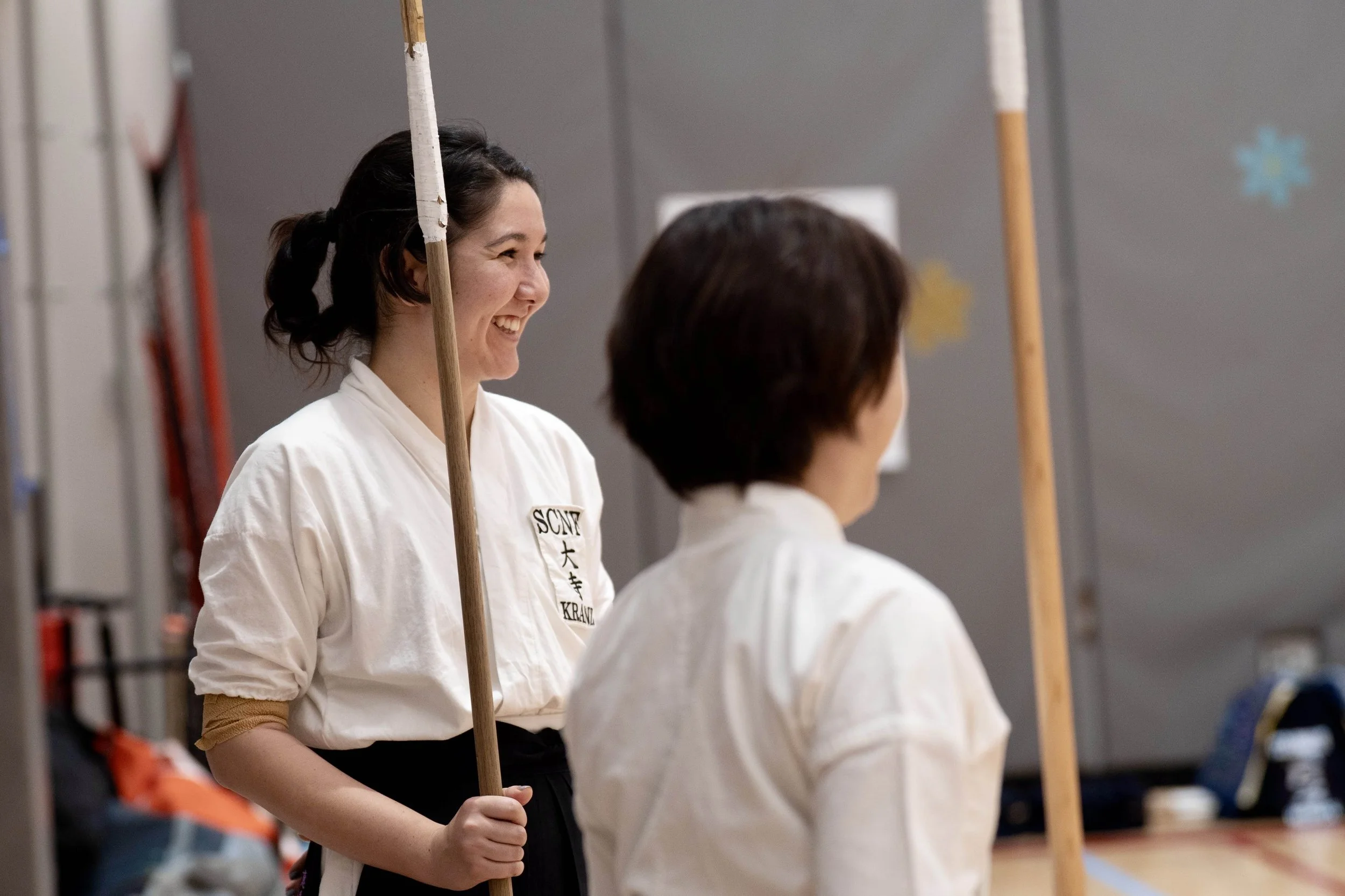
Emiko Kranz is a 1-dan who began practicing naginata in Southern California in 2022. After building strong foundations, especially in kata, she moved to New York to start her PhD at NYU in Fall of 2024 and has been training with GNY ever since. Emiko assists with teaching at the NYBA and Pratt dojos in addition to helping with the Ken Zen kid’s class. She has consistently placed in competitions for her performance in both engi-kyogi and shiai, most recently winning 1st in engi-kyogi and 3rd for individual shiai in the dangai division at the USNF National Championship. In her free time, Emiko enjoys cooking, doodling, and organizing with Japanese American community groups that work to empower the next generation of leaders.
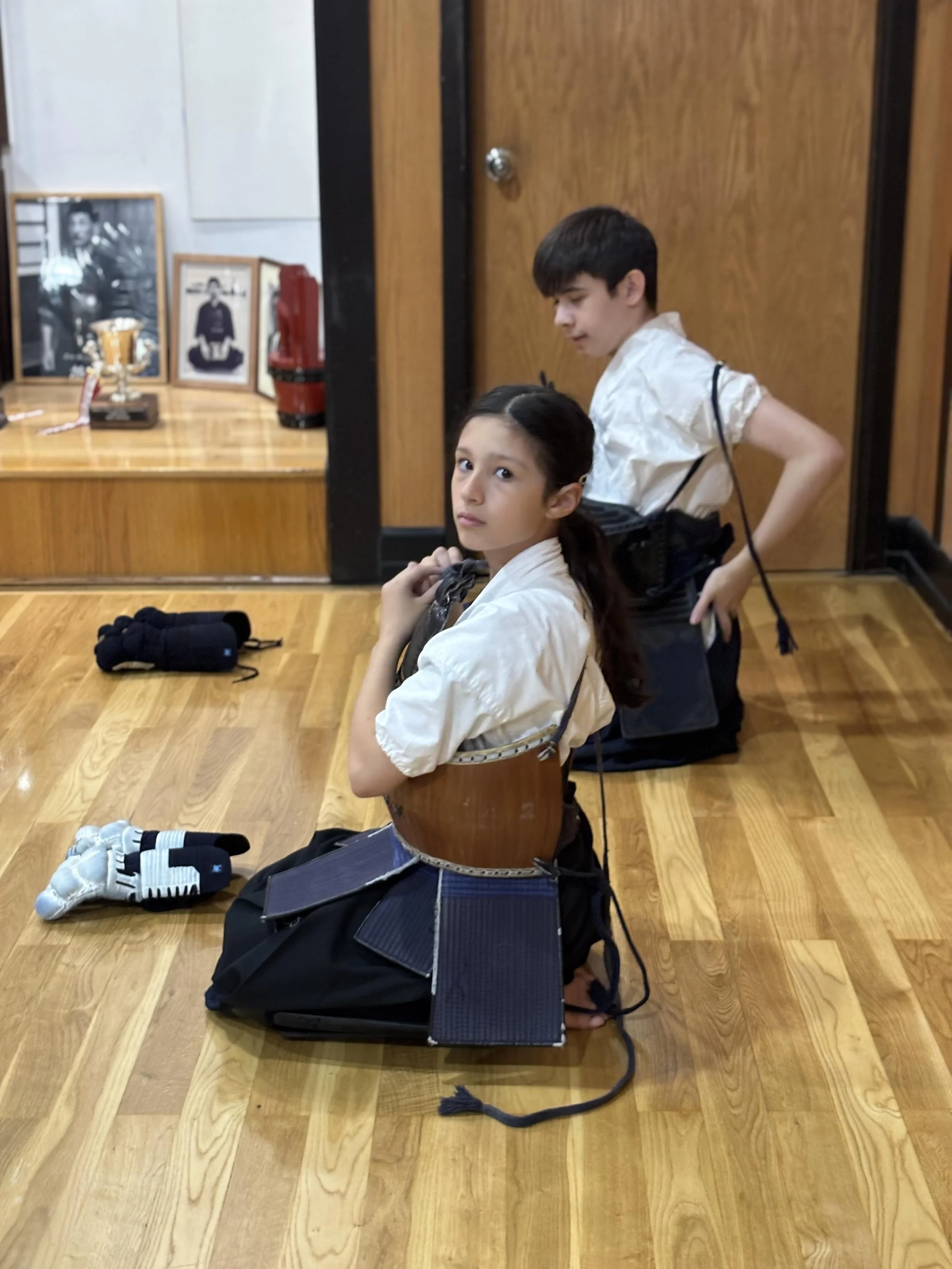
Practice Times:
Mondays:
Youth Class: 4:30-6:00 pm
Regular Adult Class: 7:00 - 9:00 pm
Ken to wa kokoro nari
-
剣とは心なり
剣とは心なり。
心正しければその剣正し。
心正しからざればその剣もまた正しからず。
剣を学ばんとするものはすべからくその心を学べ。
— 島田虎之助 -
Ken to wa kokoro nari
Koroko tadashi kereba sono ken tadashi.
Kokoro tadashi karazareba sono ken mo mata tadashi karazu.
Ken wo manaban to suru mono wa subekaraku sono kokoro wo manabe.- Shimada Toranosuke
-
The sword is the mind
When the mind is right, the sword it right.
When the mind is not right, the sword is also not right.
If you wish to study the sword, first study the mind.
— Shimada Toranosuke
